 CanSolutions
Food as support and an important factor
Personalized nutrition
Below we present information from Ty Bollinger's book. The diet is vegetarian with adapted macrobiotics (of your choice), adjusted as needed for intolerance or allergies to specific foods.
Main tips
Ecological basis
The first rule is "let food be organically produced." Strive for organically produced food — buy from farmers with an organic certificate, at organic markets, and in organic shops.
Fish, eggs, and dairy
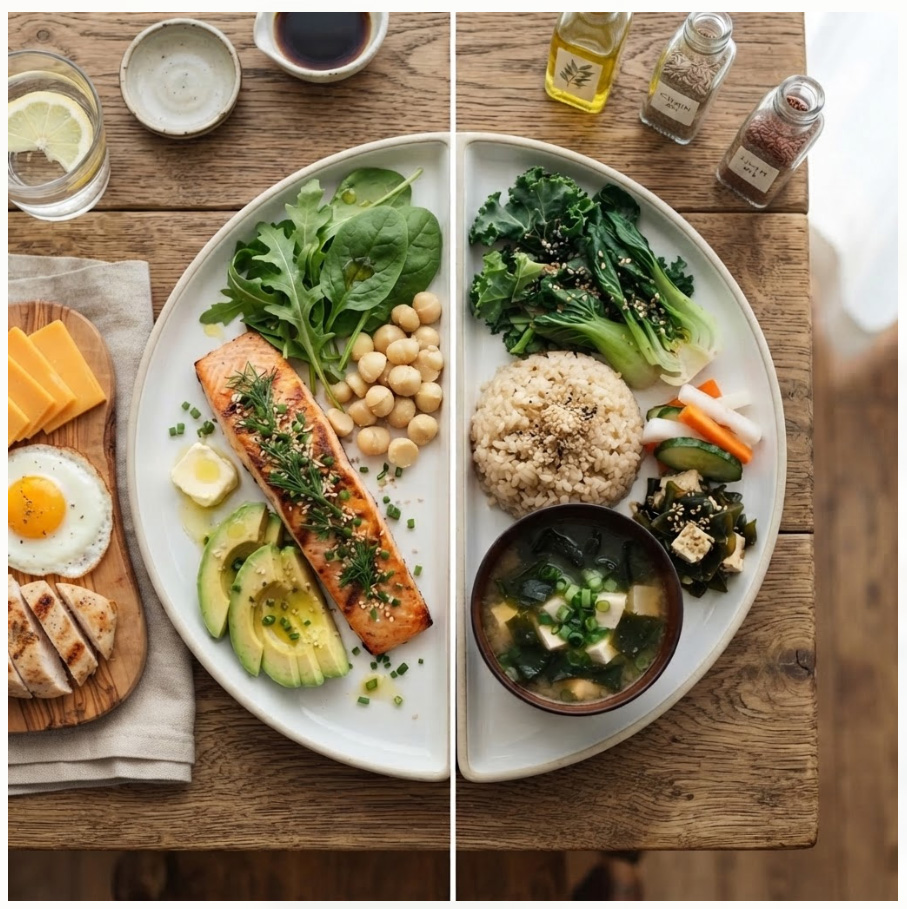
Several times a week (can be every day) eat wild-caught sea and river fish (sprats, sardines, herrings, mackerel) and seafood, organic eggs. Replace all cow's dairy products with goat or sheep products; exceptions can be: butter, kefir, whey.
Carbohydrates
Moderate unpeeled/brown/black/red rice, bread, potatoes. Bread and pasta made from white flour NO (gluten), artificial sugars, white and cane sugar, agave syrup, coconut sugar, xylitol NO. Fruit and honey in moderation, fruit in the morning until 12 PM.
Vegetables and nuts
As many vegetables as possible: beetroot, carrots, legumes, broccoli, cauliflower, spinach, kale … all types of nuts except peanuts.
Morning drink
3 dl of organic lemonade with ground lemon zest and seeds + 3 tablespoons of cold-pressed olive oil + 1 teaspoon of organic turmeric + organic wheatgrass juice + 7 raw quail eggs (without shells).
Cold-pressed oils
Edible hemp oil, black cumin oil, max 1 teaspoon of castor oil, olive, pumpkin, flaxseed, walnut, organic sunflower, coconut oil. All oils must be cold-pressed. Homemade organic apple cider vinegar and up to 15 dried apricot (kernels) per day.
Avoid
Daily meat, processed and canned meat products, and generally all canned foods, carbonated drinks, and industrially produced juices. In case of low body weight, organic chicken/turkey breast, organic eggs, or rice proteins are acceptable.
Combination rule
Do not mix anything sweet or fruit with other food in the same meal. 2–3 hour break between groups. Do NOT drink liquids 15 minutes before a meal, during a meal, or one hour after a meal (exception: a shot of spirits or red wine).
Organic / Bio food maintains the immune system
By consuming healthy organic food, you maintain positive gut bacteria, which is actually your immune system. Poor industrial food creates bad gut bacteria, causes leaky gut, and thus allows fungi and parasites to pass through the intestinal wall into the body/organs. When they predominate, they can cause diseases in organs and a decline in the immune system — indirectly leading to the development of cancer.
Slowly and gradually
The book primarily discusses ketogenic and macrobiotic diets. However, we warn that a rapid change in diet is not the best approach, especially for older individuals. The gut and bacteria have been accustomed to a specific diet for years, so introduce new nutrition slowly and gradually.
Monitor blood counts
Be careful and monitor your blood counts in cooperation with your personal physician or oncologist. Blood tests show the body's responses, primarily in liver enzymes, CRP, as well as urea and creatinine (for the kidneys).
«A knife can be used to cut bread, but it can also cause harm.» Therefore, be thoughtful and smart with dietary changes.
Do not lose weight during oncology therapy
Fasting and weight loss diets are not advisable during chemotherapy — not only will you tolerate them poorly, but you may also endanger your life through rapid weight loss. During oncology therapy (chemo, biological, targeted, immunological, antihormonal, radiation, surgical procedures), be careful not to lose weight. Even after recovery, stick to healthy food and bring the change to the entire family.
Your first step can start today.
Call or schedule - we will gladly listen to you and help you